
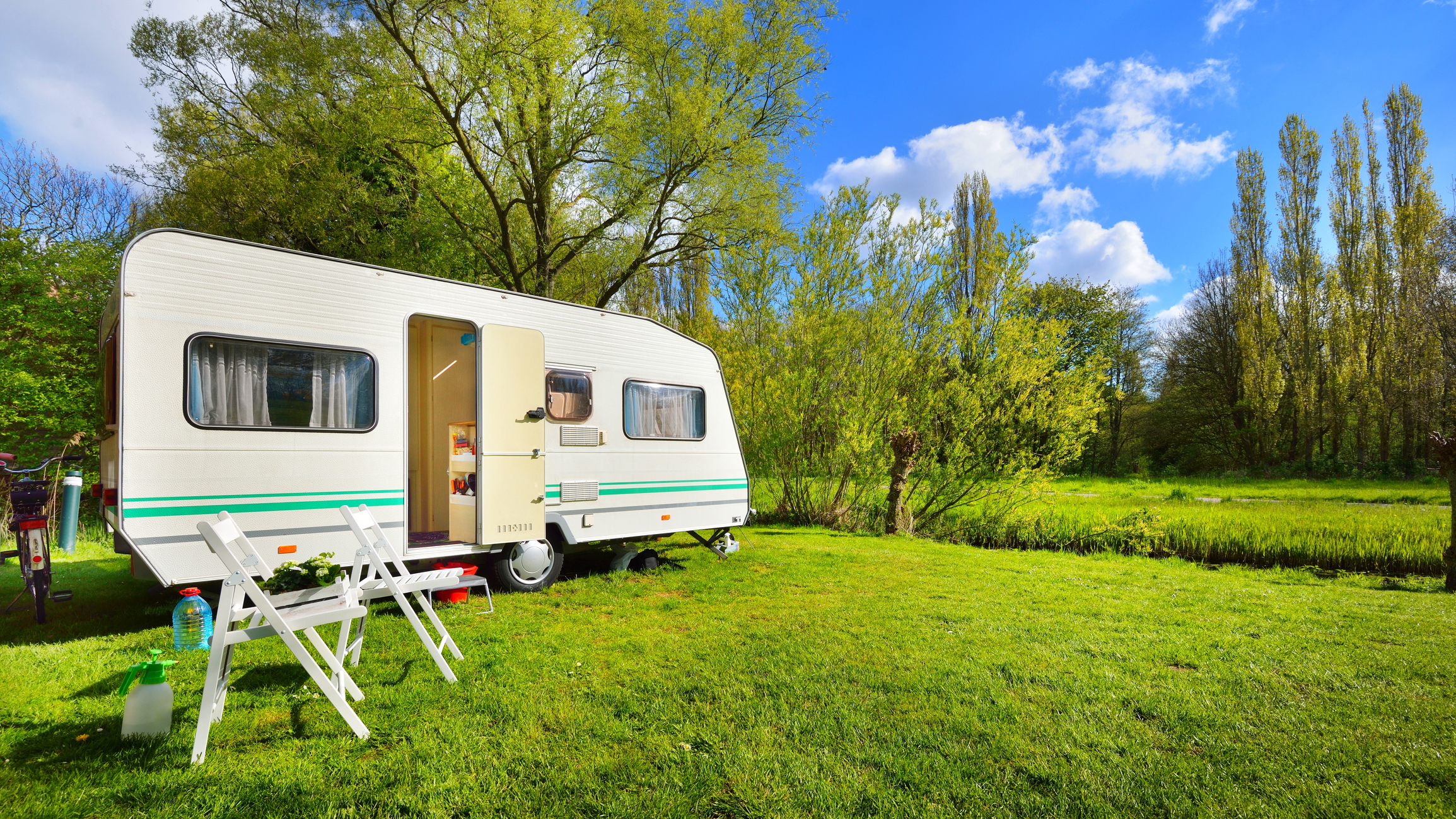
Som navnet indikerer, er caravanlån et lån som skal finansiere bobil eller campingvogn. Denne typen lån er det mange gode aktører som tilbyr, deriblant Sparebank1. Vilkår og betingelser kan variere, men som regel kommer man langt med å kunne stille 35 % egenkapital. Løpetiden er normalt mellom 1 og 15 år på caravanlån.
Dette er fordi bobilen/campingvognen ideelt ikke skal være eldre enn 15 år når lånet er tilbakebetalt. Når man låner til enten campingvogn eller bobil, er det vanlig å stille sikkerhet i egen bolig eller kjøretøyet selv. De fleste caravanforhandler tilbyr caravanlån, akkurat som långiverne. Det gjelder å forhøre seg med alle involverte parter for å få det beste lånet.
Send søknader og sammenlign
Det er mange banker å velge mellom når det kommer til caravanlån. Det er umulig å på forhånd vite hos hvilken aktør man bør låne, derfor gjelder det å sammenligne. Man sender søknader til ulike långivere, for å motta personlige tilbud. Dette kan man gjøre gjennom en låneformidler, som lar en sende én søknad til flere långivere.
 Ulike långivere stiller ulike krav til låntakere, og enkelte svar på søknader vil derfor gi bedre vilkår enn andre. Man kan derfor ende opp med tilbud som ikke samsvarer med det bankene oppgir på sine sider. Etter å ha mottatt tilbud som viser nøyaktige vilkår, kan man vurdere etter egen privatøkonomi hvorvidt caravanlån er lurt.
Andre løsninger for caravankjøp
Når man stiller med sikkerhet kan man låne høye beløp, som hos Brage Finans hvor man kan få caravanlån på inntil 2 000 000 kroner. Enkelte velger å øke boliglånet for å få kjøpt campingvogn/bobil. Da må man huske å øke lånets innbetaling slik at det tilsvarer bilens verditapt. Velger man denne løsningen, kan man ikke endre lånet senere.
Det finnes også de som tar opp forbrukslån for å finansiere caravankjøp. Da stilles det ikke sikkerhet i hverken bobilen eller andre eiendeler, og renten vil være forholdsvis høy. Her er det som regel snakk om beløp inntil 500 000 kroner, eller 600 000 hos noen få banker. Også her gjelder det å sammenligne.
Gode råd
Det er ideelt å bruke en lånekalkulator for å finne ut hvor stor den månedlige kostnaden blir. Her er det også viktig å ta høyde for rentekostnad over tid. I tillegg er det smart å kjøpe bobilen hos en forhandler som tilbyr garanti både på bildelen og bodelen av kjøretøyet. En bobil er tross alt både boenhet og kjøretøy.
Innen man kjøper, gjelder det å sjekke at modellen man er i god stand. Den skal blant annet ha god nok kapasitet til nyttelast. Har man ikke tilstrekkelig kunnskap om hvordan man forsikrer seg om at et kjøp er godt, bør man konsultere noen som har det. Det er dumt å la egen mangel på kunnskap bli en byrde.
Vanlige krav
Krav til caravanlån kan variere, men man stiller med sikkerhet eller ei finnes det flere gjengangere. For å komme godt ut av en kredittvurdering, handler det i bunn og grunn om å vise at man har det økonomiske på stell. Man skal helst unngå å ha betalingsanmerkninger, og løpende inkassosaker er svært lite populært.
Krav om fast inntekt er også vanlig; mange banker forventer en brutto årsinntekt på minst 200 000 kroner. Enkelte aktører krever enda høyere årslønn enn dette. Noen krever at man må ha vært norsk statsborger i inntil 2–3 år sammenhengende, mens andre går god for utenlandske søkere så lenge de er registrert i Folkeregisteret.
Oppsummering – caravanlån
 Med caravanlån kan pengene ofte fås raskt
- Ikke alle banker krever kaskoforsikring
Mange ønsker seg bobil eller campingvogn, og tar derfor opp lån skreddersydd for denne typen kjøp. Andre velger å øke boliglånet for å kjøpe caravan, mens det også finnes de som tar opp forbrukslån til dette formålet. Det gjelder å handle hos troverdige forhandlere som tilbyr gode vilkår, samt komme godt ut av kredittvurderinger.
Mer info
https://www.finansportalen.no/bank/lan-til-bilbatmccaravan/